
You schedule your eye exam knowing you need updated glasses or contacts, but you might wonder what actually happens during those extended appointment times.
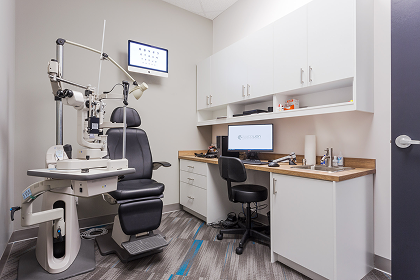
A comprehensive eye exam goes far beyond reading letters on a chart. These appointments involve detailed health screenings, testing for conditions like dry eye and myopia, and personalized discussions about your vision needs. The process takes longer than basic exams because Envision Eye Care examines every part of your eye health, from tear quality to retinal blood vessels.
Pre-Exam Preparation & What to Expect
Your appointment starts before you sit in the exam chair. Bring your current glasses and contact lenses so your eye doctor can evaluate how well they’re working for you. Your prescription history helps track changes in your vision over time.
Make a list of your medications and health conditions, even ones that seem unrelated to your eyes. Diabetes, high blood pressure, and certain medications can affect your vision and eye health.
Plan for a longer visit than you might expect. Thorough testing takes time, but you’ll leave with a comprehensive eye exam that provides a complete picture of your eye health..
What to Bring & Transportation After Your Exam
In some cases, we may dilate your pupils. If we do, your close-up vision may temporarily become blurry and your eyes will be sensitive to light for a few hours.
If you’re scheduled for a dilated eye exam, consider arranging alternative transportation, especially if this is your first comprehensive exam or you’ve had strong reactions to eye drops before. Bring sunglasses to help with light sensitivity after your appointment.
Vision Testing & Eye Health Assessment
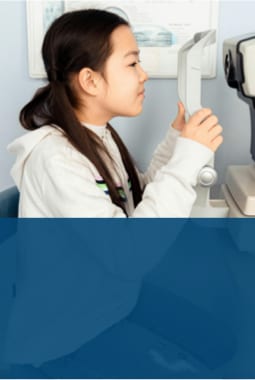
You’ll be asked to read letters off a chart to test your near and distance vision. This helps determine if you need glasses, contacts, or an update to your prescription.
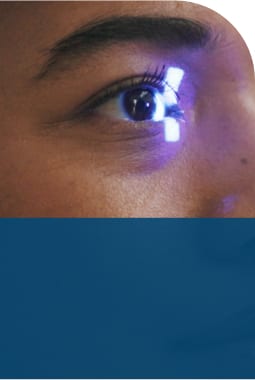
Your eye doctor will measure the pressure inside your eyes using a quick, painless test. High eye pressure can signal glaucoma, a condition that damages vision gradually without obvious symptoms. Early detection helps protect your sight.
We also use retinal imaging technology to capture detailed images of your retina and optic nerve. These photos become part of your record, allowing your optometrist to spot tiny changes during future visits that might indicate developing problems.
Pupil Dilation & Internal Eye Exam
Dilation drops widen your pupils so that your eye doctor can see inside your eyes more clearly. Think of it like opening curtains to let more light into a room—dilation provides a better view of your retina, blood vessels, and optic nerve.
A dilated eye exam reveals early signs of eye diseases, identifies complications from diabetes, and can identify some general health conditions before you notice any symptoms.
Dry Eye Testing
Our comprehensive eye exams always include dry eye testing. One of these tests is meibography, where we use a small camera to take pictures of the tiny oil glands in your eyelids. The right oils keep your tears from evaporating too quickly, so blockages of these glands often cause dry eye symptoms.
We also perform tear film analysis to assess the quality and composition of your tears. Quality tears should have the right balance of water, oil, and mucus.
If testing reveals dry eye issues, you’ll receive a treatment plan tailored to your needs. Options range from simple lifestyle changes to IPL treatments.
Technology & Tear Film Analysis
Digital imaging creates detailed maps of your eye structures, showing layers of your retina that can’t be seen during a regular exam. This technology helps detect macular degeneration, diabetic eye disease, and other conditions in their earliest stages.
Myopia Assessment & Control Options
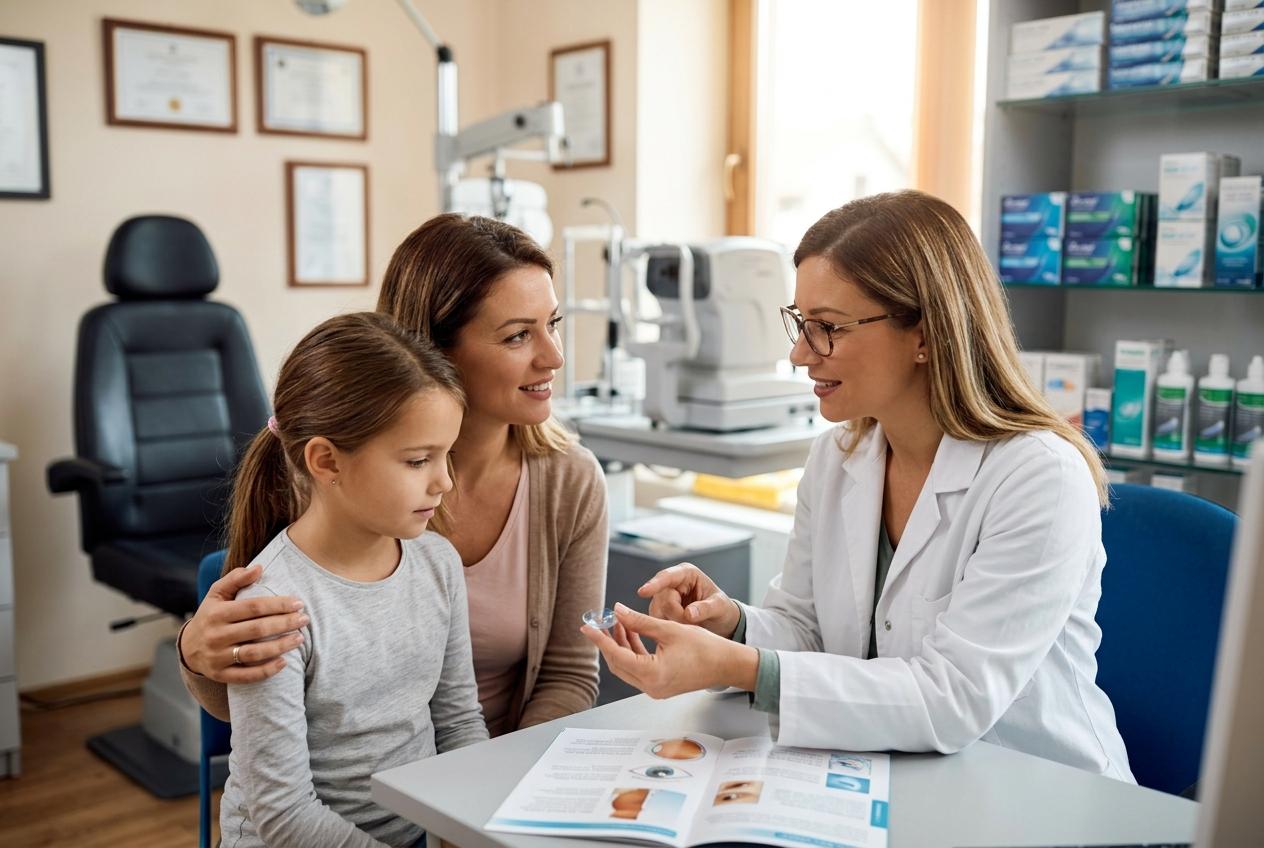
For children and teens, our eye exams include measurements of eye growth and discussions about family history of nearsightedness. Kids with myopic parents have higher chances of developing nearsightedness themselves, especially with today’s increased screen time and reduced outdoor activities.
Your eye doctor will talk with you about your child’s daily activities, school demands, and hobbies. This lifestyle information helps create myopia control plans that fit your family’s real-world needs instead of one-size-fits-all approaches.
Multiple treatment options mean that you can choose what works for your child’s age, comfort level, and activities.
Treatment Plans for Your Child
Ortho-k lenses reshape your child’s eyes overnight, providing clear daytime vision without glasses or contacts while slowing myopia progression. These lenses work well for active kids who play sports or swim regularly.
Daytime contact lenses and prescription glasses for myopia control are also possibilities. Some children also benefit from atropine eye drops, which can slow eye growth when used as part of a comprehensive treatment plan.
Results Discussion & Next Steps
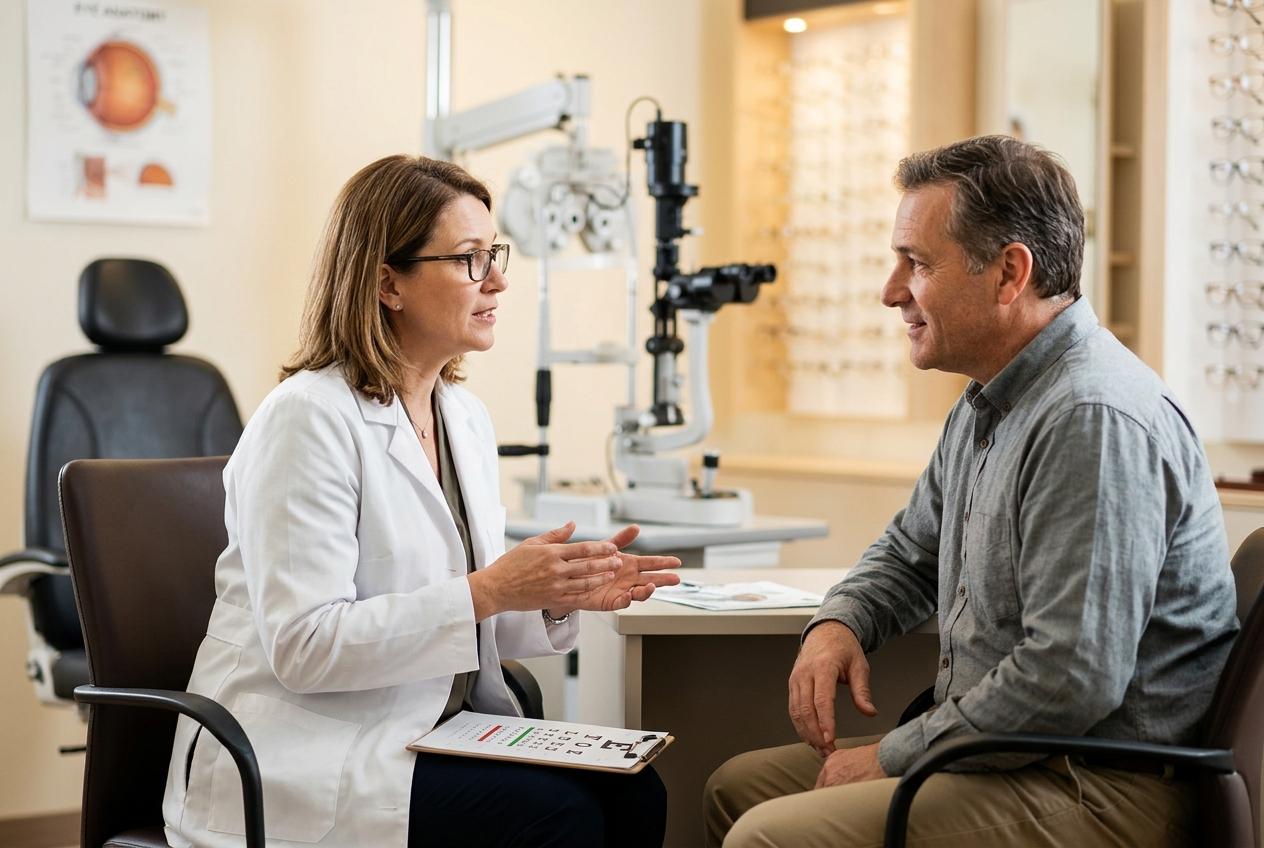
After the testing is done, your eye doctor will explain your results in clear language. You’ll learn what each test revealed and how your current eye health compares to previous exams. We also make sure to explain why our recommendations suit your needs and what kind of follow-up appointments might be required.
We’ll recommend a schedule for your next exam based on your risk factors and current eye health. Some people need annual checkups, while others benefit from more frequent monitoring through ongoing eye disease management.
Support & Resources for Your Eye Health
You’ll receive written information about any problems that we might find, plus tips for maintaining healthy vision between appointments. This educational approach helps you understand your eye health instead of just following instructions.
Our team always encourages questions. Having a clear understanding of your eye health helps you make informed decisions about treatment options and lifestyle changes that could protect your vision.
A comprehensive eye exam reveals much more than whether you need glasses. At Envision Eye Care in Oakville, our thorough approach to eye health means that you receive personalized care that addresses your specific vision needs.
Schedule your comprehensive exam to experience the difference that detailed, patient-focused eye care makes for your long-term vision health.