
Key Takeaways
- Genetics play a large role in a child developing myopia.
- Heavy screen time can increase the chance of nearsightedness.
- Outdoor play supports natural eye development.
- Squinting and rubbing tired eyes point to vision struggles.
- Modern treatments help slow vision changes as kids grow.
Myopia Is Partly Influenced by Genetics
Our team at Envision Eye Care understands that watching your child squint at the television might make you wonder about their vision. Maybe you remember getting your first pair of glasses in elementary school, and you’re hoping that your child can avoid dealing with blurry vision.
Genetics play a large role in myopia, and children have a much higher chance of developing nearsightedness if one or both parents wear glasses daily. Learning about nearsightedness can help you make informed choices for your family.
Genetics & Myopia
Do Kids Inherit Poor Vision from Mom or Dad?
Myopia does often run in families, and both parents contribute to a child’s likelihood of developing the condition.
If you have a family history of nearsightedness, it helps to schedule early eye exams. Regular checkups help us catch any vision changes before they affect a child’s schoolwork or daily activities.
How Daily Habits Affect Eye Growth
The Impact of Screen Time
Heavy near work like reading or using a tablet has been shown to increase a child’s risk of myopia. While it’s hard to avoid in today’s world, placing limits on screen time and encouraging activities that don’t involve near work can help protect your child’s vision.
Outdoor Time Helps
On the other hand, studies have also shown that time spent outside helps reduce myopia risk. Aim to have your child spend at least 90 minutes outside every day.
Common Signs of Nearsightedness in Your Child
Kids don’t usually complain about blurry vision. Instead, it’s usually better to watch for physical clues that suggest vision trouble. Signs to look for include:
- Squinting to see the television clearly.
- Holding books very close to the face.
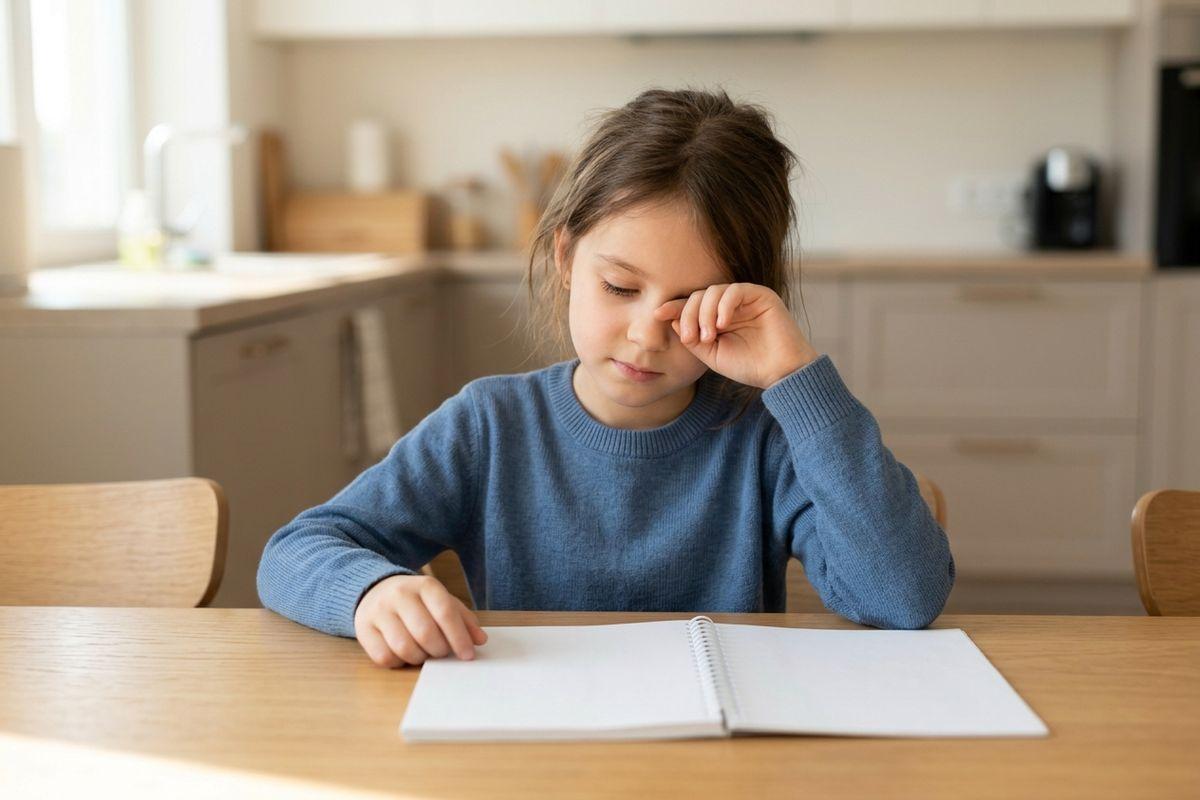
- Frequent headaches or rubbing tired eyes.
If an eye test shows that your child does have myopia, we offer myopia management options designed to slow progression of the condition.
How an Optometrist Oakville Can Help
Detailed Eye Exams for Your Child
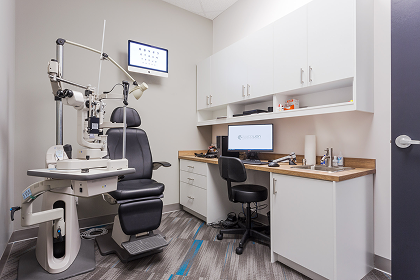
During an eye exam, your child’s optometrist will evaluate their overall eye health, the clarity of their vision, and whether their eyes are working together properly.
If your child does have myopia, we’ll recommend a management plan. Common options include specialty glasses or contact lenses that slow the rate at which myopia progresses. Our team will explain your choices clearly to help you make informed decisions for your family.
Finding a proactive eye care team helps your family manage vision changes. Reach out to our team at Envision Eye Care today to schedule an eye exam and discuss options for your family.